
January 7, 2026
January 7, 2026
December 29, 2025
December 28, 2025
December 25, 2025
December 23, 2025
December 22, 2025
December 22, 2025
June 3, 2024
June 2, 2024
May 28, 2024
Welcome to the Fakaza HipHopza Editorials section. Here, we move beyond the music to explore the stories, debates, and forces shaping the South African music industry. From the business of festivals to the culture of awards and the impact of new technology, we provide in-depth analysis and opinion on the topics that matter.
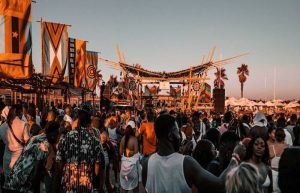
South Africa’s festival scene is at a crossroads. While international acts are flocking to our shores at an unprecedented rate , there’s a growing concern that our local talent is being pushed to the sidelines. Major festivals are increasingly budgeting millions for a single global headliner, while local artists are relegated to early slots and minimal pay .
This “international-first” strategy is a risky gamble. The recent struggles of the Hey Neighbour festival, which faced cancellations and refund issues, serve as a cautionary tale about building an event solely around big foreign names without a reliable local core . In contrast, the success of festivals like Liefde by die Dam, which books almost exclusively South African acts and sells out multiple cities, proves that local content can draw massive crowds . The question is: will major promoters learn this lesson before our festivals lose their cultural soul?
The 31st South African Music Awards (SAMAs) came and went, and according to many in the industry, most of Mzansi didn’t even notice. Grammy-winning artist Zakes Bantwini penned a powerful editorial criticizing the awards for losing their relevance and credibility, pointing to a lack of transparency in judging and a failure to evolve with the industry . His sentiments were echoed widely on social media, with fans citing poor sound quality, rigged perceptions, and a disconnect from the public . If the SAMAs are to be reclaimed as a true celebration of our music, industry bodies like RISA must lead the reform with diverse voices and a genuine connection to what’s happening on the ground .
Amapiano finds itself at a fascinating crossroads with the rise of AI-generated music. Tracks like Rea Gopane’s “Suka!”, dubbed the first AI amapiano hit, have sparked fierce debate. While some fans praise the fresh, clean beats and experimentation, others argue the “robotic vocals” lack the soul and human emotion that define the genre . This tension raises profound questions about the future: Can a machine capture the cultural imprint of South African music? And if AI keeps making hits, what happens to the human producers and artists? This is a debate that will only get louder .
These are just a few of the critical conversations happening in our industry. We’ll continue to bring you thought-provoking editorials that dig deeper into the music business, artist spotlights, and cultural trends. Check back often for new perspectives on the sound of South Africa.