
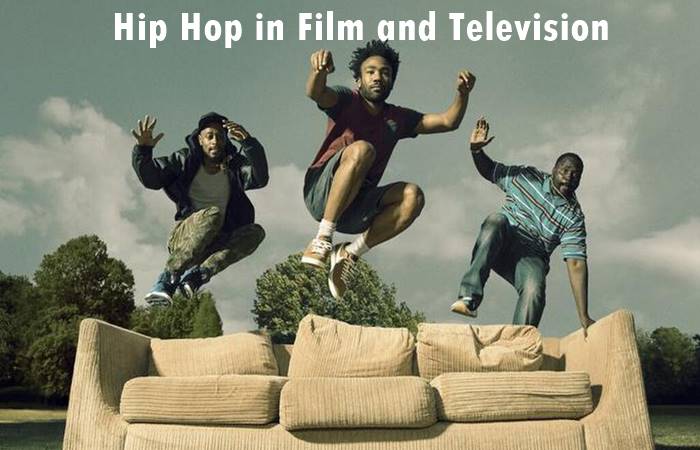
Hip Hop in Film and Television: Representing the Culture.
Hip Hop is more than music; it is a complete culture born from the creative resilience of Black and Brown communities in the post-industrial Bronx of the 1970s. Its four core elements—DJing, MCing, Breakdancing, and Graffiti—provided the foundation, but its spirit, its politics, its fashion, and its language have permeated every corner of global society. While records and radio spread the sound, it has been film and television that have provided the narrative architecture, the visual vocabulary, and the mainstream platform to translate Hip Hop’s complex reality, aspirations, and struggles for a worldwide audience. The relationship is symbiotic: Hip Hop has fueled countless stories on screen, and in turn, those screens have shaped the culture’s evolution, mythology, and commercial power.
The Early Reels: Documenting the Birth (1980s)
The first wave of Hip Hop on screen was largely documentary and exploitative, caught between authentic representation and commodification. Films like Wild Style (1983) and Style Wars (1983) remain priceless cultural artifacts. Wild Style, directed by Charlie Ahearn, was a semi-fictional narrative that featured pioneering figures like Grandmaster Flash, Fab 5 Freddy, and the Rock Steady Crew. It didn’t just show performances; it depicted the interconnected ecosystem of rappers, DJs, b-boys, and graffiti artists within the vibrant, gritty landscape of New York City. Style Wars, the PBS documentary, did similar foundational work for graffiti, treating it as a legitimate, controversial art form.
Alongside these authentic portraits came Hollywood’s packaged version. Breakdance films like Beat Street (1984) and Breakin’ (1984) sanitized and sensationalized the culture for mass consumption, yet they were instrumental in triggering a global phenomenon. They presented Hip Hop as a lively, physical, and non-threatening form of street entertainment, focusing on dance battles over lyrical content or social commentary. This era established a critical tension that would persist: the struggle between authentic, community-driven storytelling and mainstream, profit-driven caricature.
The Gangsta Narrative and The Rise of the “Hood Film” (Late 1980s – 1990s)
As Hip Hop music grew harder and more politically charged, so did its cinematic counterparts. The late 80s and early 90s saw the emergence of the “hood film,” a genre directly fueled by the aesthetics and themes of Gangsta Rap and conscious Hip Hop. These films moved beyond celebration to grapple with systemic issues: poverty, police brutality, drug epidemics, and intra-community violence.
-
Boyz n the Hood (1991, directed by John Singleton) and Menace II Society (1993, directed by The Hughes Brothers) are the towering pillars of this era. Their soundtracks, featuring Ice Cube, Dr. Dre, and others, were not mere accompaniments but essential narrative components. The music articulated the characters’ inner turmoil and the environment’s oppressive reality. Ice Cube’s transition from N.W.A. to star of Friday (1995) further blurred the lines, creating a comedic yet grounded vision of Black life that was saturated with Hip Hop sensibility.
This period cemented the image of the rapper-actor, proving that the charisma and authenticity required for the mic could translate to the screen. Tupac Shakur’s raw performances in Juice (1992) and Poetic Justice (1993) and The Notorious B.I.G.’s cameo in Juice demonstrated Hip Hop’s potent dramatic force. The “hood film” was often criticized for perpetuating negative stereotypes, but its defenders argued it provided an unfiltered lens on American neglect and created space for Black directors and stories within a white-dominated industry.
Mainstream Assimilation and Comedy (1990s – 2000s)
As Hip Hop’s commercial power exploded, its presence on screen diversified. It was no longer confined to urban dramas. The culture became a lens for universal stories of ambition, identity, and comedy.
-
The Hip Hop Fairy Tale: Films like 8 Mile (2002) used the classic underdog sports-movie structure but applied it to the battle rap scene. Eminem’s semi-autobiographical story mythologized the battle as a gladiatorial arena where talent and sheer will could overcome circumstance.
-
The Hip Hop Comedy: The Friday series, How High (2001), and Barbershop (2002) used Hip Hop’s humor, slang, and celebrity cameos to craft comedies that felt culturally specific yet broadly accessible. They showcased the everyday life and humor within Black communities, a counterpoint to the relentless gravity of the hood films.
-
Television’s Embrace: On TV, The Fresh Prince of Bel-Air (1990-1996) used Will Smith’s rap persona as a springboard for a family sitcom that subtly discussed class and race. Later, shows like Moesha and The Steve Harvey Show integrated Hip Hop stars and themes into their plots, normalizing the culture in American living rooms.
The Modern Era: Complexity, Prestige, and Global Domination (2010s – Present)
Today, Hip Hop’s relationship with film and TV has matured into one of nuanced storytelling and authorial control. The culture is no longer a novelty or a single genre; it is a rich historical backdrop and a contemporary lingua franca.
-
Prestige Biopics: Films like Straight Outta Compton (2015) and All Eyez on Me (2017) presented Hip Hop history as epic, rise-and-fall drama, appealing to both original fans and new generations. They grappled with legacy, business exploitation, and cultural impact on a grand scale.
-
Auteur-Driven Stories: Atlanta (2016-2022), created by and starring Donald Glover (Childish Gambino), represents the apex of Hip Hop’s narrative integration. It’s not about Hip Hop in a biographical sense; it exists within the surreal, anxious, and brilliant psyche of the culture itself. It uses the music industry as a backdrop to explore modern Black identity, socio-economics, and the absurdities of fame with unparalleled originality.
-
Global and Streaming Platforms: Netflix’s The Get Down (2016-2017) was a costly, if short-lived, attempt to mythologize the culture’s birth. More successfully, documentaries like Hip-Hop Evolution and Sample-Based productions on streaming services provide deep-dive historical context. Meanwhile, reality competition shows like Rhythm + Flow seek to find the next star, continuing the tradition of screen media as a talent incubator.
-
Cultural Fabric: Now, Hip Hop references and aesthetics are seamlessly woven into unrelated genres. A superhero movie (Black Panther’s soundtrack), a teen drama (Euphoria’s musical cues), or a period film (Bridgerton’s string quartet covers) all use Hip Hop to instantly communicate tone, attitude, and modernity.
The Unresolved Tension: Authenticity vs. Exploitation
Despite its ascendance, the core tension remains. Who controls the narrative? For every Atlanta or Dear White People (which uses Hip Hop as intellectual and social currency), there are productions that reduce the culture to a shallow aesthetic—a baggy hoodie, a trap beat, a graffiti wall—devoid of its historical or political meaning. The challenge for filmmakers and showrunners is to move beyond stereotype and soundtracking to engage with Hip Hop’s intellectual tradition: its critiques of power, its innovative storytelling, and its profound expression of joy and resilience.
ALSO READ: Andile Dlamini Weds: Banyana Banyana Star’s Elegant Wedding & Heartwarming Celebration of Love
Conclusion: The Screen as a Cultural Mirror and Engine
From the crumbling Bronx playgrounds in Wild Style to the dreamlike streets of Atlanta, film and television have been indispensable partners in Hip Hop’s journey. They have documented its birth, amplified its rebels, mythologized its stars, critiqued its flaws, and ultimately, validated its complexity. The screen acts as both a mirror, reflecting the culture’s truths back to itself, and an engine, propelling its ideas, styles, and language to every corner of the globe. As Hip Hop continues to evolve as the dominant cultural force of the 21st century, its stories on screen will remain essential—not just for entertainment, but as a living, breathing archive of a revolution that changed the world. The beat, indeed, goes on.



 HIKEYZ – Isibani ft. Malum Drip SA & Tumi Musiq
  Pro King – Rubber Bass ft. El Maestro
  KayKay daPrince – Skipa Emoyeni ft. Pro Tee, DJ Skhu & TKTucks
  Ndu Browns – Summer Rain (Phuma Langa) ft. Danya Devs & Blaq Diamond
  Luxury SA – Belle Rose
  Zantii – Sgubhu Wami ft. 9umba & The Lowkeys
  QueenThee Vocalist – Dikoloto ft. Romeo ThaGreatwhite, Majoro the Boss, DJ Skizoh Bw & Lebking_SA
  MAERA _SA – Somlanda ft. Hlonivic & Kaptain Monate